


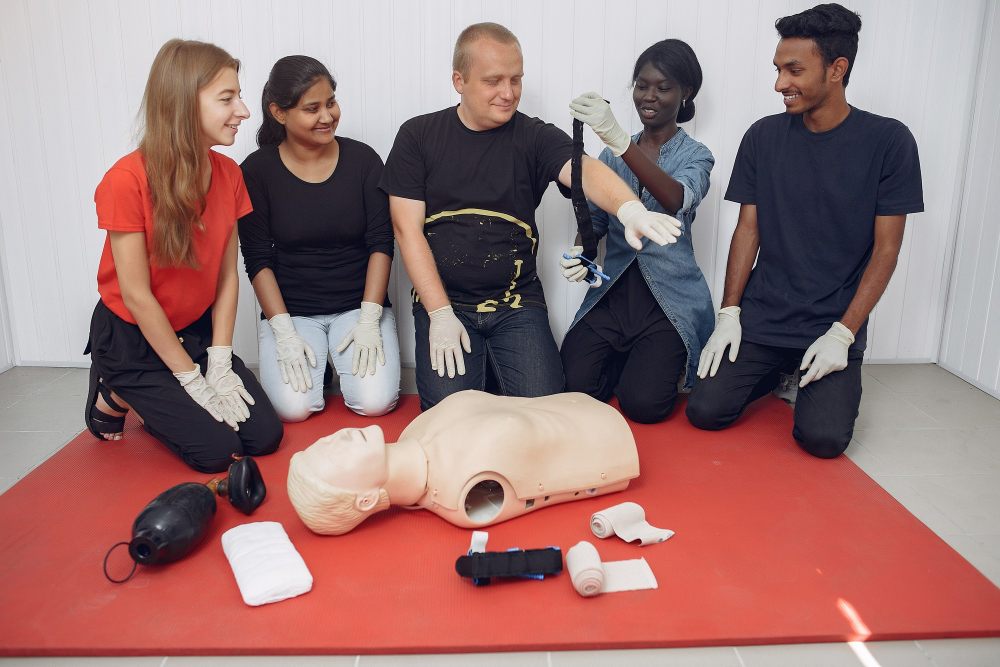
Setting up a comprehensive CPR drive at a university requires meticulous planning, effective resource management, and strong collaboration with various campus departments and external organizations. The goal is to equip a significant portion of the student body, faculty, and staff with life-saving CPR skills, enhancing campus safety and emergency preparedness. This guide outlines the essential steps to organize and execute a successful university-wide CPR drive.
Phase 1: Planning and Preparation
The initial phase involves laying the groundwork for your CPR drive. This includes defining objectives, forming a dedicated team, securing necessary approvals, and outlining a budget.

1. Define Objectives and Scope
Clearly articulate what you aim to achieve with the CPR drive. Do you want to train all incoming first-year students, specific student organizations, or the entire campus community over a set period? Establishing clear, measurable objectives will guide your planning and help assess the program’s success. For example, a goal might be to certify 500 students in CPR and AED usage within one academic year.
2. Assemble a Core Organizing Committee
Recruit a diverse team of individuals from various university departments, including student health services, student affairs, campus recreation, and even academic departments like nursing or emergency medical services. Each member should have a defined role and responsibility, such as logistics, marketing, volunteer coordination, and instructor recruitment.
3. Secure University Approvals and Support
Present your proposal to the relevant university authorities, such as the Dean of Students, the Provost’s office, or the Campus Safety Department. Highlight the benefits of widespread CPR training, including improved emergency response times, enhanced campus safety, and the potential to save lives. Obtaining official endorsement is crucial for resource allocation and logistical support.
4. Develop a Detailed Budget
Outline all potential expenses, which may include instructor fees, training mannequins (if not rented), AED trainers, course materials (manuals, certification cards), first-aid supplies, marketing materials, and venue rental (if off-campus). Seek funding through student government allocations, university grants, departmental contributions, or sponsorships from local businesses or healthcare organizations.
5. Identify Potential Partners and Resources
Explore partnerships within the university and with external organizations. On-campus resources include the health center, athletic department, and student organizations. Consider local fire departments, ambulance services, and professional CPR training providers off-campus.
Phase 2: Utilizing External Resources: In-Pulse CPR
Leveraging professional CPR training organizations, such as In-Pulse CPR, can significantly streamline the setup and execution of your university CPR drive. These organizations offer expertise and certified instructors and often provide necessary equipment, reducing the burden on your organizing committee.
1. Research and Select a Reputable Training Provider
When selecting a partner like In-Pulse CPR, consider their certifications (e.g., American Heart Association), experience with large-scale training events, instructor-to-student ratios, and flexibility in tailoring programs to university needs. Request proposals from several providers to compare services and costs.
2. Collaborate on Curriculum and Schedule
Work closely with In-Pulse CPR to design a training curriculum that meets the specific requirements of your university community. Discuss the format (e.g., blended learning with online modules and in-person skills sessions), the duration of each session, and the desired certification (e.g., Heartsaver CPR AED, Basic Life Support for Healthcare Providers).
In-Pulse CPR can assist in developing a comprehensive training schedule that accommodates the availability of both students and staff. This might involve offering sessions during evenings, weekends, or breaks between classes. They can help determine the optimal number of sessions and the capacity for each to maximize participation.
3. Leverage Their Instructor Pool
One significant advantage of partnering with an organization like In-Pulse CPR is access to their team of certified instructors. This eliminates the need for your university to recruit and train its own CPR instructors, saving considerable time and resources. Ensure that their instructors are experienced in teaching diverse groups and can adapt their teaching style to different learning needs.
4. Utilize Their Equipment and Resources
Professional training providers typically supply all necessary equipment, including high-quality CPR mannequins (for adults, children, and infants), AED trainers, and personal protective equipment. This significantly reduces the upfront cost and logistical challenges for the university. Inquire about the maintenance and sanitation protocols for their equipment.
5. Facilitate Registration and Certification
Many external training providers have established online registration systems that can be integrated into your university’s existing platforms, simplifying the sign-up process for participants. They also handle issuing certification cards upon successful completion of the course, ensuring that participants receive official training documentation.
Phase 3: Promotion and Implementation
Once the framework is in place, promote the CPR drive and execute the training sessions.
1. Develop a Comprehensive Marketing Strategy
Utilize various communication channels to reach the broadest possible audience. This includes:
- Campus-wide emails: Send out announcements through official university channels.
- Social media: Create engaging posts with relevant hashtags and visuals.
- Posters and flyers: Distribute materials in high-traffic areas, such as dorms, student unions, and academic buildings.
- University website and student portal:Feature the CPR drive prominently on relevant university pages.
- Student organizations: Collaborate with clubs and organizations to promote the drive to their members.
- Information sessions: Host introductory sessions to explain the importance of CPR and provide details about the training.
2. Coordinate Logistics for Training Sessions
- Venue selection: Choose appropriate venues with sufficient space for hands-on training, such as campus recreation centers, large classrooms, or event halls.
- Scheduling: Work with In-Pulse CPR to finalize the schedule for all training sessions, ensuring they are conveniently located and timed.
- Materials and supplies: Ensure all necessary training materials, such as manuals and certification paperwork, are readily available. If In-Pulse CPR does not provide them, arrange for their procurement.
- Refreshments: Consider providing light refreshments for participants, especially for longer training sessions, to enhance their experience.
3. Recruit and Train Volunteers
Recruit student and staff volunteers to assist with registration, directing participants, setting up/breaking down equipment, and providing general support during training sessions. Provide clear instructions and a brief orientation for all volunteers.
4. Execute Training Sessions
Ensure that each CPR training session runs smoothly and efficiently. Work closely with In-Pulse CPR instructors to manage participant flow, answer questions, and address unforeseen issues. Emphasize the hands-on nature of the training and encourage active participation.
Phase 4: Post-Drive Evaluation and Follow-up
The final phase involves assessing the success of your CPR drive and planning for future initiatives.
1. Collect Feedback
Distribute surveys to participants and instructors to gather feedback on the quality, effectiveness, and overall experience of the training. Use this feedback to identify areas for improvement in future drives.
2. Evaluate Against Objectives
Compare the actual number of trained individuals against your initial objectives. Analyze participation rates across different student demographics and campus groups.
3. Acknowledge and Thank Participants and Partners
Send thank-you notes or emails to all participants, volunteers, instructors (from In-Pulse CPR), and university departments that supported the drive. Publicly acknowledge their contributions through campus newsletters or social media.
4. Plan for Sustained Training
Consider making CPR training an ongoing initiative on campus. This might involve:
- Annual or bi-annual drives: Establish a regular schedule for CPR training events.
- Integrating CPR into orientation: Offer introductory CPR sessions during new student orientation.
- Partnering with academic programs:Collaborate with nursing, health sciences, or emergency services programs to offer ongoing training opportunities.
- Refresher courses: Offer shorter refresher courses for those who have already been certified.
Work with Resources Like In-Pulse CPR
By following these comprehensive steps and effectively utilizing resources like In-Pulse CPR, universities can successfully establish and sustain a robust CPR training program, significantly enhancing the safety and well-being of their entire campus community. Make a difference and explore the benefits of establishing an ongoing drive at your school.
Author: Donna Ryan is a writer residing in Tucson, AZ. Contact her at donnar668@gmail.com.